

*Katy Christman I. Introduction As natural disasters become more frequent, communities along our southern coastline face more frequent hurricane season evacuation orders, yet evacuation orders often leave incarcerated individuals behind.[1] When hurricanes and other natural disasters threaten coastal communities, local officials do not give inmates opportunity to seek shelter.[2] Authorities’ failure to address disparities inContinue reading “Weathering the Storm: The Silent Crisis of Incarcerated Lives During Hurricanes.”
Author Archives: University of Baltimore Law Review Staff
Maryland Takes the Lead After Federal Settlement in the Francis Scott Key Bridge Collapse

*Paige Lauenstein I. Introduction The March 26, 2024 collapse of the Francis Scott Key Bridge triggered numerous lawsuits from Maryland, the United States government, Baltimore City, Baltimore County, and private citizens.[1] After the United States’ $102 million settlement,[2] the State of Maryland now leads the effort to recover over $1.7 billion for bridge replacement andContinue reading “Maryland Takes the Lead After Federal Settlement in the Francis Scott Key Bridge Collapse”
The Hidden Dangers of Menstrual Products

*Melissa Bosley I. Introduction Over the past eleven years, research has demonstrated there are known harmful materials in tampons,[1] but no research exists to determine what negative health effects these materials have on menstruators’ bodies.[2] Fifty-two to eighty-six percent of menstruators are exposed to dangerous materials,[3] and even though tampon users face prolonged exposure toContinue reading “The Hidden Dangers of Menstrual Products”
Considering the Biden Administration’s Regulation of “Ghost Guns” by the ATF Under the Gun Control Act of 1968.
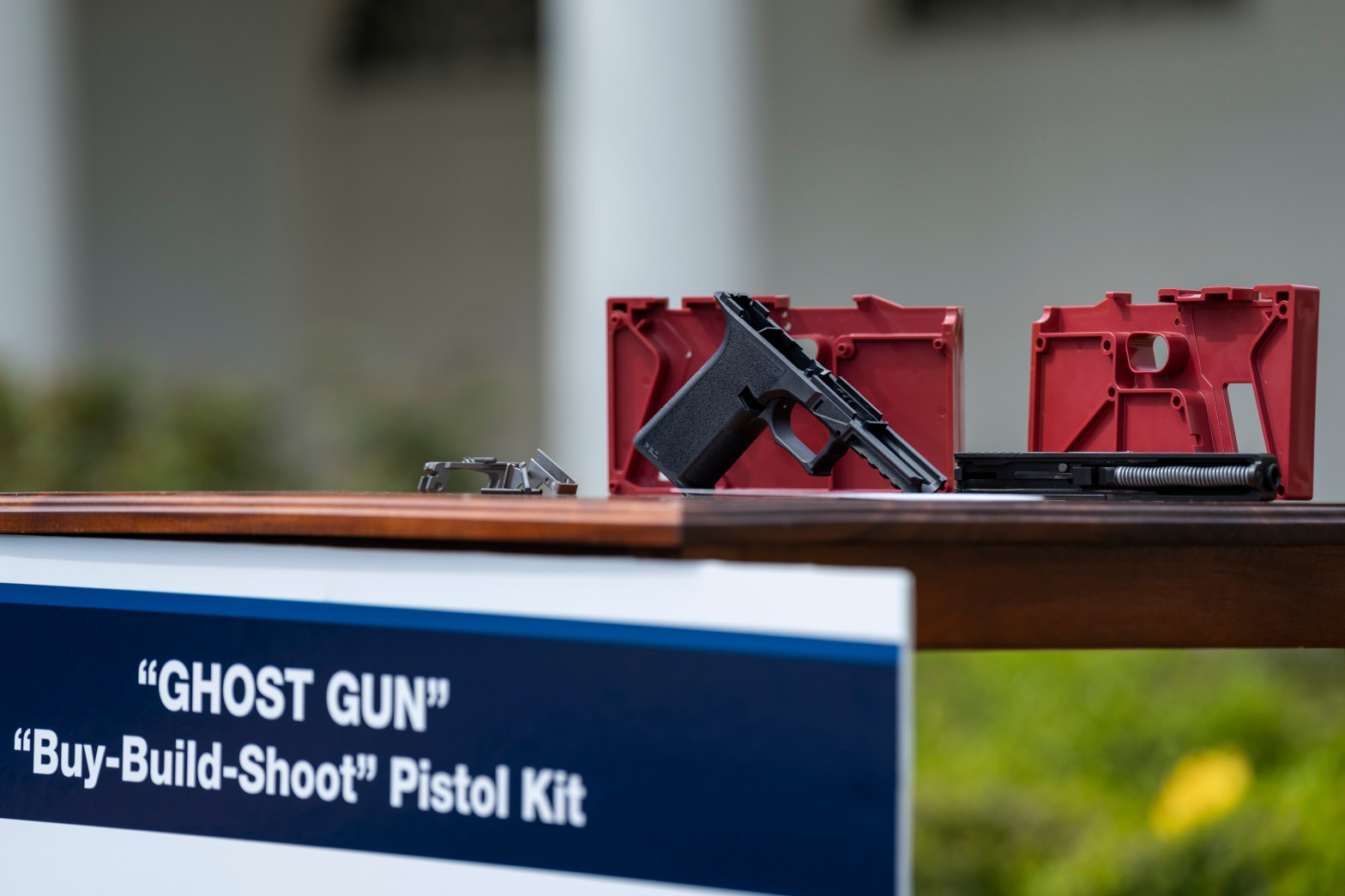
*Ellie Roser I. Introduction Privately made firearms created from “firearm parts kits, standalone frame or receiver parts, and easy to complete frames or receivers,” also known as ghost guns, pose a unique issue in firearm regulation.[1] Purchasers typically buy ghost guns in kits or create the individual parts using 3-D printers, and can then easilyContinue reading “Considering the Biden Administration’s Regulation of “Ghost Guns” by the ATF Under the Gun Control Act of 1968.”
Call to Stop Criminalizing Youth Behavior Through House Bill 615

*Manna Alexander Maryland, along with many other states, has a statute that criminalizes “disruptive behavior” in schools.[1] Qualifying behaviors can range from assault to a verbal disagreement with another student, roaming the halls, or anything the school deems “disruptive.”[2] Due to the existing statute’s overly broad nature, legislators, attorneys, and other concerned parties have proposedContinue reading “Call to Stop Criminalizing Youth Behavior Through House Bill 615”
 University of Baltimore Law Review