
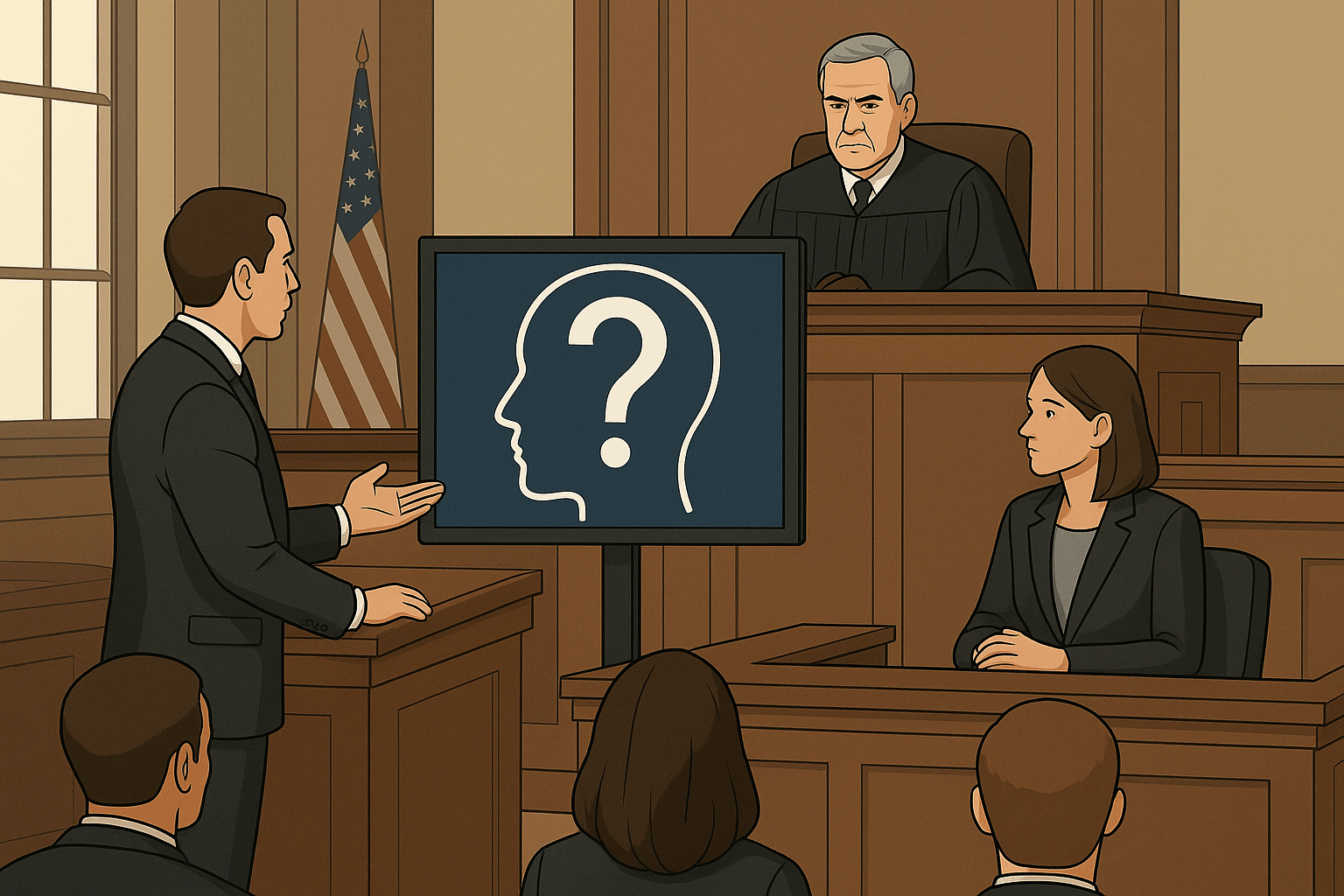
*Colin Livingston I. Introduction In a UK child custody dispute, a mother presented a “heavily doctored recording” in court to portray the father as “violent and threatening” in an effort to deny him access to his children.[1] The father’s attorney successfully challenged the recording’s authenticity and warned that “it would never occur to most judgesContinue reading “Deepfakes in the Courtroom: Challenges in Authenticating Evidence and Jury Evaluation”
Tag Archives: Technology
The GLP-1 Telehealth Boom: Can HIPAA Keep Up with Consumer Privacy Risks?

*Benjamin Wachs I. Introduction About one in every eight adults in the United States are taking GLP-1 medications to help treat diabetes and facilitate weight loss.[1] The immense success of these drugs on patients’ weight loss has earned them the nickname “miracle drugs.” [2] The industry is projected to boom into a 30-billion-dollar market byContinue reading “The GLP-1 Telehealth Boom: Can HIPAA Keep Up with Consumer Privacy Risks?”
Interpreting our Digital Hieroglyphs: Emojis on Trial

*Alexander Robinson I. Introduction In March 2021, a Canadian farmer discussed selling eighty-seven metric tons of flax with a grain buyer.[1] The farmer texted the buyer a photo of the written contract with the words “[p]lease confirm flax contract,” to which the buyer replied with the message “👍.”[2] The flax shipment never arrived and theContinue reading “Interpreting our Digital Hieroglyphs: Emojis on Trial”
Financial Firms Struggle to Maintain Regulatory Compliance as Employees Text

*Kristine Martinez I. Introduction “[I]nvestment banks are required to keep copies of all business-related communications that employees send and receive” under Securities and Exchange Commission (SEC) and Commodity Futures Trading Commission (CFTC) rules.[1] These requirements are “designed to deter and uncover infringements such as insider trading and ‘front-running,’ or trading on information that is notContinue reading “Financial Firms Struggle to Maintain Regulatory Compliance as Employees Text”
Algorithmic Recommendations as an Act of Creation: How the Supreme Court’s Ruling in Gonzalez v. Google, LLC Could Completely Change the Internet

*Anastasia Couch I. The Twenty-Six Words that Built the Internet The internet as we know it rests on a single sentence written in 1996.[1] Section 230 of the Communications Decency Act states: “No provider or user of an interactive computer service shall be treated as the publisher or speaker of any information provided by anotherContinue reading “Algorithmic Recommendations as an Act of Creation: How the Supreme Court’s Ruling in Gonzalez v. Google, LLC Could Completely Change the Internet”
 University of Baltimore Law Review