
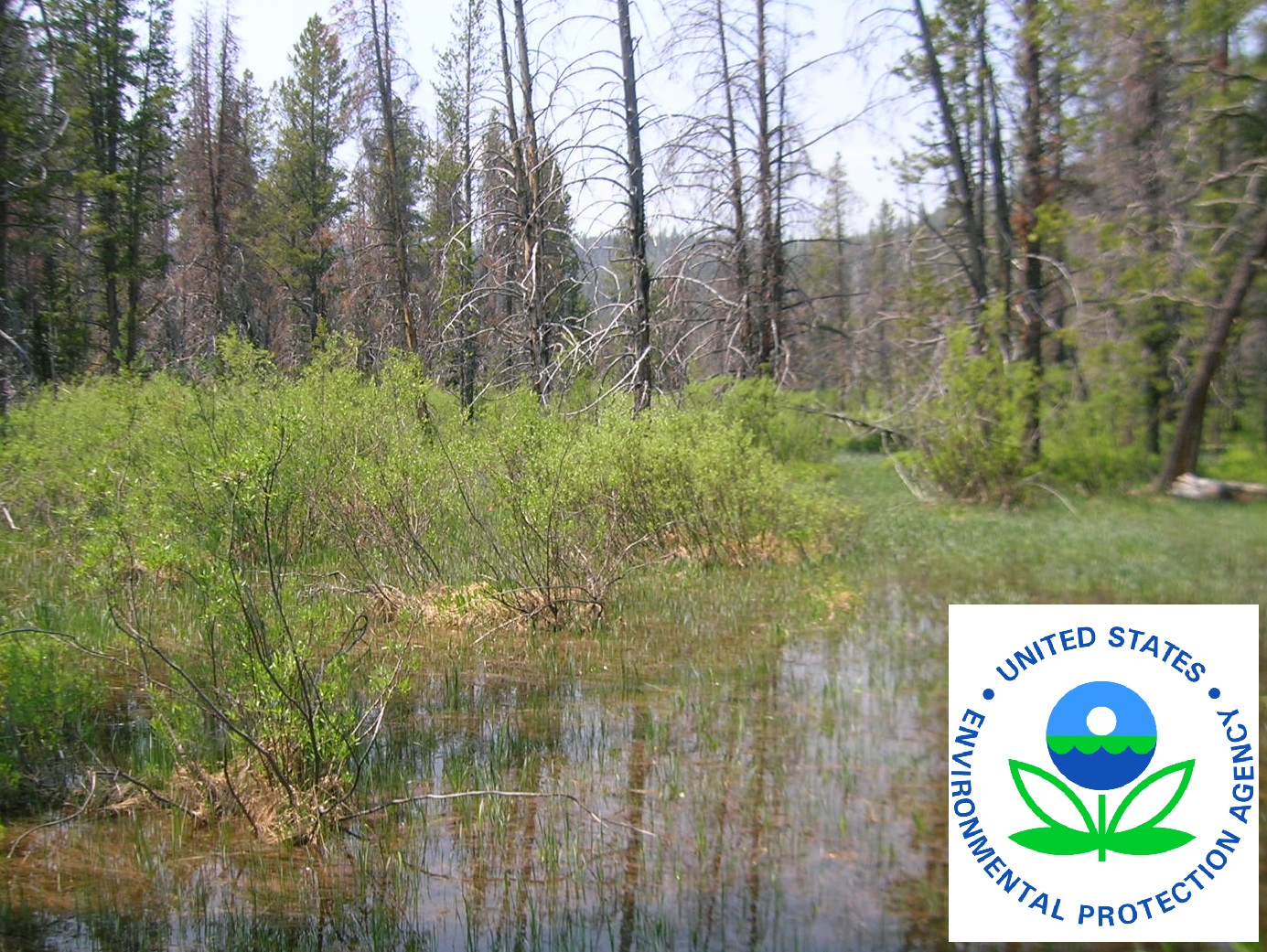
*Devyn King I. INTRODUCTION In April 2007, Michael and Chantal Sackett (the Sacketts) acquired building permits to begin constructing a family home on their lot near Priest Lake, Idaho.[1] The lot has no surface connection to any body of water and is separated from the nearest body of water by a county road.[2] However, it doesContinue reading “Sackett v. EPA: The Supreme Court Sets Sail on the “Waters of the United States””
Yearly Archives: 2022
You (Might) Have the Right to Remain Silent: Supreme Court Set to Decide Whether Public Accommodation Law Can Compel Speech

*Nicholas Balzano I. INTRODUCTION The Supreme Court’s 2021-2022 term was filled with widespread media coverage, particularly concerning the Court’s decisions in Dobbs v. Jackson and NYSRPA v. Bruen.[1] While the 2021-2022 term has ended, another case with the potential to create a new precedent undoing years of previous precedent looms on the horizon.[2] In 303Continue reading “You (Might) Have the Right to Remain Silent: Supreme Court Set to Decide Whether Public Accommodation Law Can Compel Speech”
Highest Case Note from Write-On 2022: O’Sullivan v. State, 265 A.3d 1015 (Md. 2021)
*Devyn King The Court of Appeals of Maryland refused to abrogate the two-witness rule for common law perjury cases. O’Sullivan v. State, 265 A.3d 1015 (Md. 2021). I. Introduction In O’Sullivan v. State, the Court of Appeals of Maryland assessed the State’s request to abrogate the two-witness rule for misdemeanor perjury offenses.[1] In a perjuryContinue reading “Highest Case Note from Write-On 2022: O’Sullivan v. State, 265 A.3d 1015 (Md. 2021)”
Volume 52 Submissions
The University of Baltimore Law Review is currently accepting submissions for publication in Volume 52. Submissions are accepted on a rolling basis throughout the year. Authors are welcomed to submit articles for consideration, along with a resume and cover letter, to ublawreview@ubalt.edu or via Scholastica. More information on the submission process can be found atContinue reading “Volume 52 Submissions”
“And Justice for All”: Is Environmental Justice Thwarted by the Federal Legislative Process?
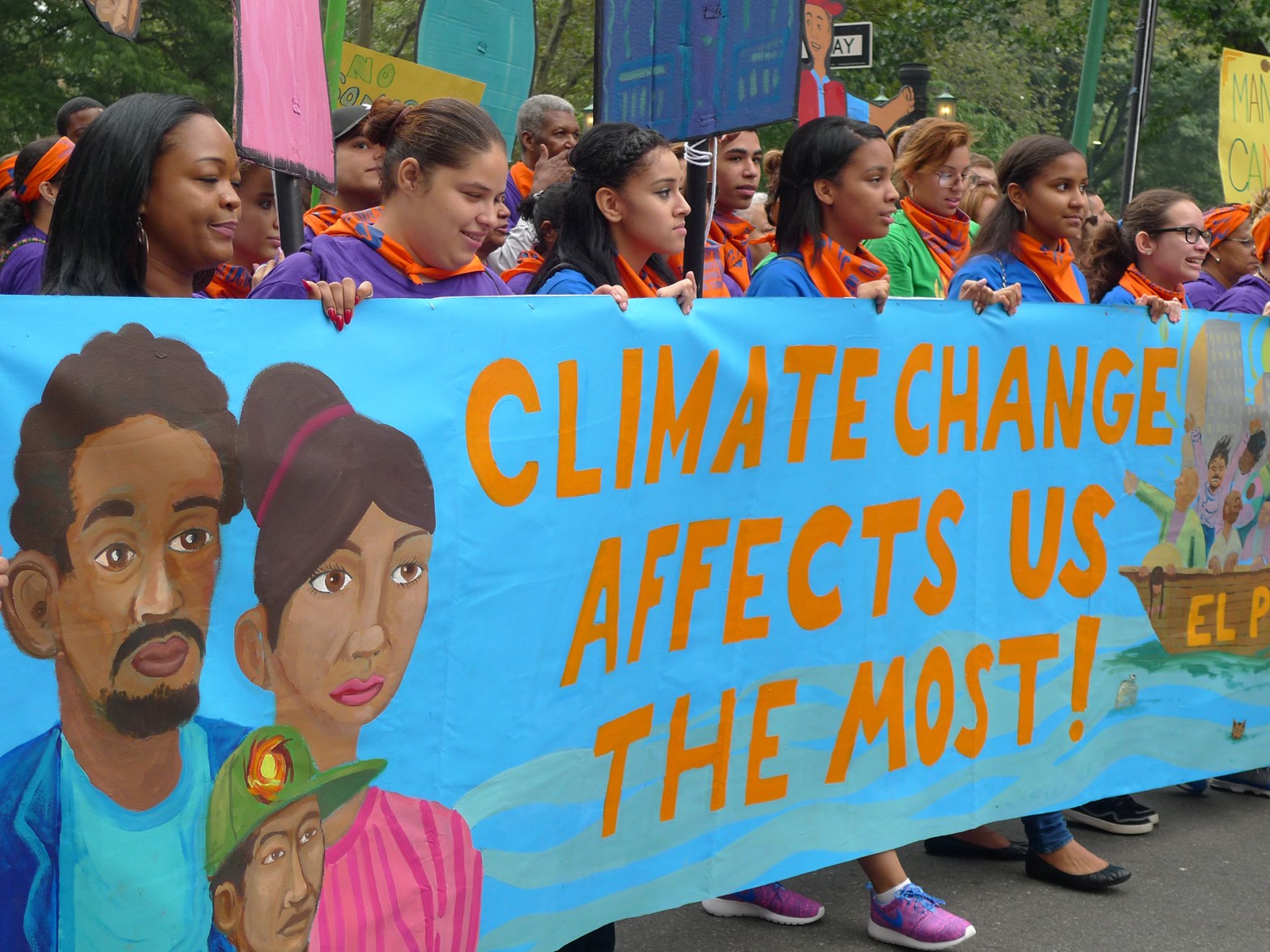
*Ashli Glatfelter I. Introduction The idea that nature is the “great equalizer” unfortunately seems to have little merit lately.[1] Ideally, clean air, drinking water, and recreational spaces are available to all Americans without discrimination based on race or socioeconomic status.[2] In reality, unequal access to the benefits of these natural resources is another injustice facingContinue reading ““And Justice for All”: Is Environmental Justice Thwarted by the Federal Legislative Process?”
 University of Baltimore Law Review